
Eye Doctor And Role of AI in seeking Eye-care
Keywords: Eye Doctor Near you, Eye Clinics and AI, Regular Eye Examination
Read MoreReal cases and insights from Ismail Eye Surgery, Faisalabad

Real cases, teaching points and everyday questions from Dr Muhammad Azeem’s ophthalmology practice in Faisalabad.
Keywords: Eye Doctor Near you, Eye Clinics and AI, Regular Eye Examination
Read More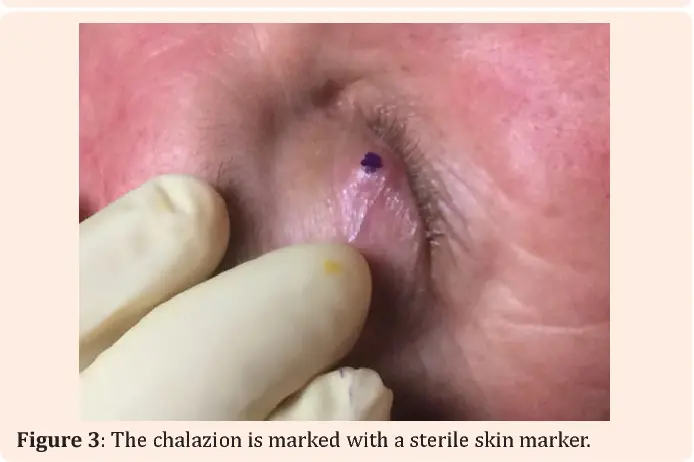
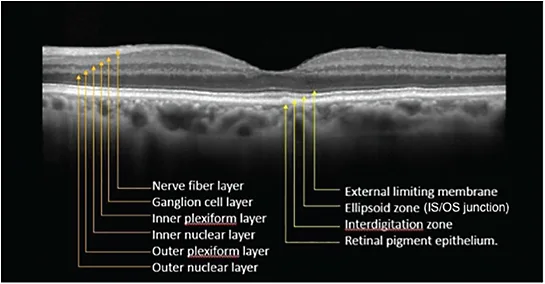

Keywords:Too many fancy words confuses the patient and the physician as well.
Read More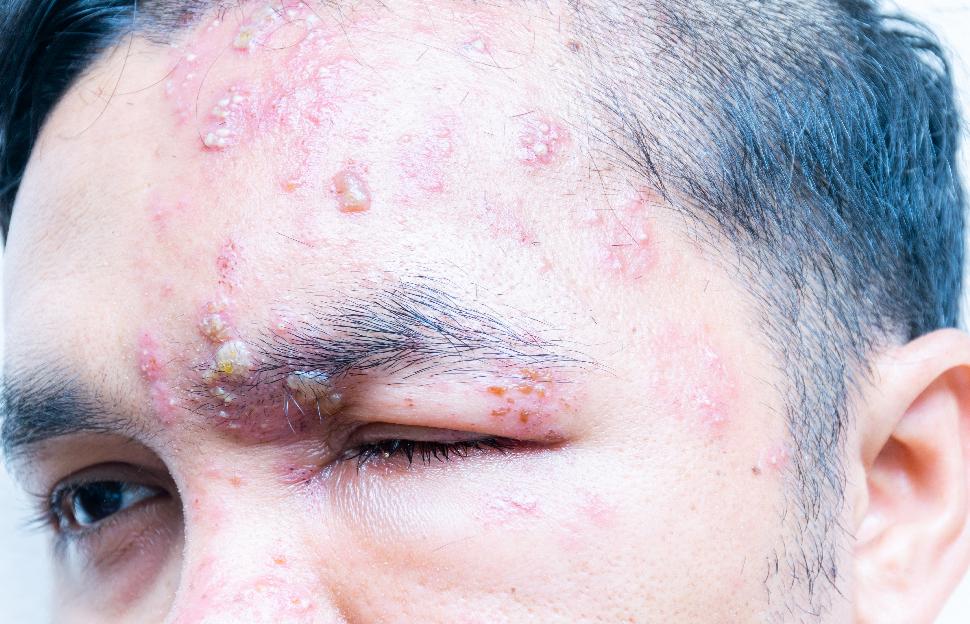
Keywords: shingles eye, herpes zoster ophthalmicus, acute retinal necrosis, ARN, vitritis, varicella-zoster virus, cataract surgery after shingles, vitrectomy, silicone oil tamponade, retinal detachment, proliferative vitreoretinopathy, informed consent in eye surgery, cataract surgery Faisalabad.
Read More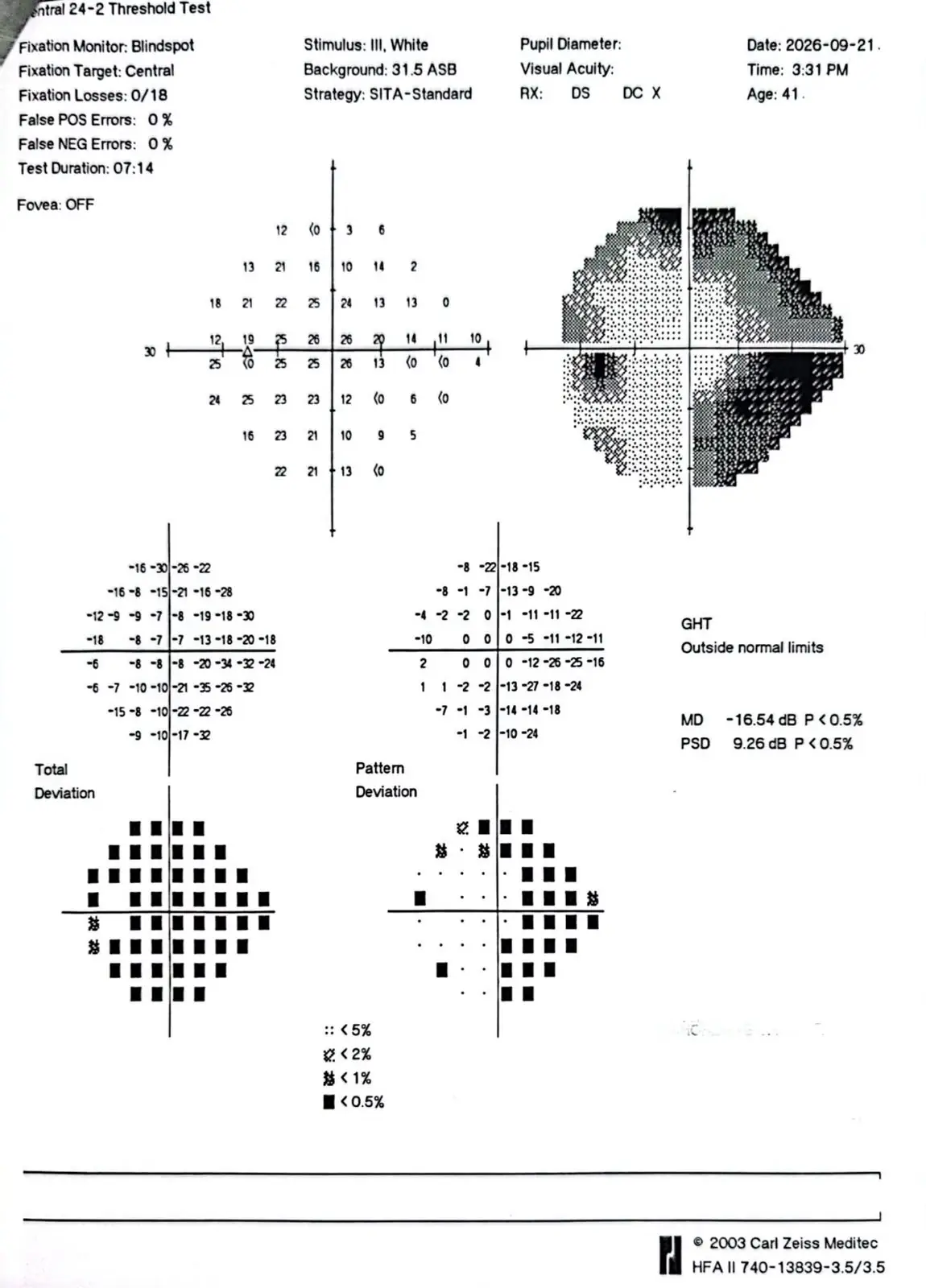
Keywords: Ozempic glaucoma symptoms, Ozempic and high eye pressure, semaglutide eye side effects, Ozempic glaucoma risk, high intraocular pressure symptoms, glaucoma treatment, Ozempic optic nerve damage, semaglutide and eye health, acute glaucoma symptoms, glaucoma specialist Faisalabad, eye pressure treatment, Ozempic vision problems
Read More
Keywords: child squinting at TV, signs of vision problems in children, pediatric eye problems, childhood vision screening, squint in children, refractive errors in children, childhood myopia symptoms, eye examination for children, children’s eye health, early signs of poor eyesight in children, pediatric ophthalmologist Faisalabad, child eye specialist Faisalabad
Read More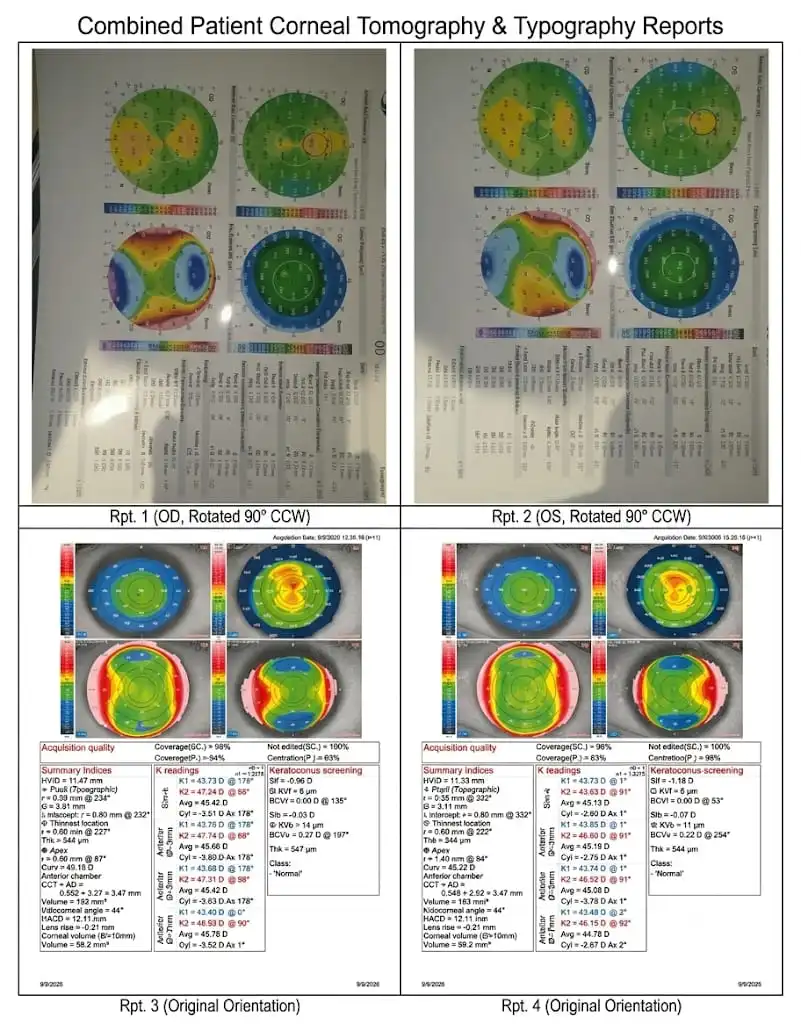
Keywords: Femto-LASIK candidacy assessment, corneal tomography, corneal topography, LASIK contraindications, corneal thickness evaluation, refractive surgery screening, abnormal corneal curvature, LASIK ectasia risk, keratoconus screening, corneal refractive surgery safety, pre-LASIK evaluation, eye specialist Faisalabad
Read More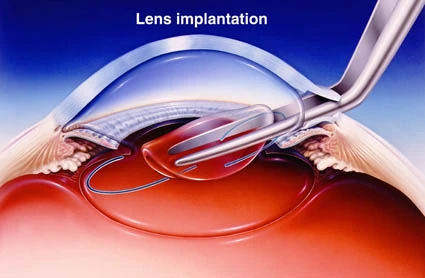
Intraoperative and postoperative planning for a small eye: IV mannitol, IOL vault, pupil mobility, prophylactic iridotomy, anaesthetic planning and steroid strategy.
Read More
Planning secondary IOL implantation in a small, aphakic eye: biometry, ciliary sulcus assessment, UBM, steroid planning and choosing a +30 D three-piece IOL.
Read More
Keywords: Monocular Elevation Defect, Double Elevator Palsy, congenital ptosis, pediatric ptosis, elevation deficit of the eye, hypotropia, strabismus, extraocular muscle examination, ocular motility disorder, pediatric ophthalmology, oculoplastic surgery, strabismus surgery.
Read More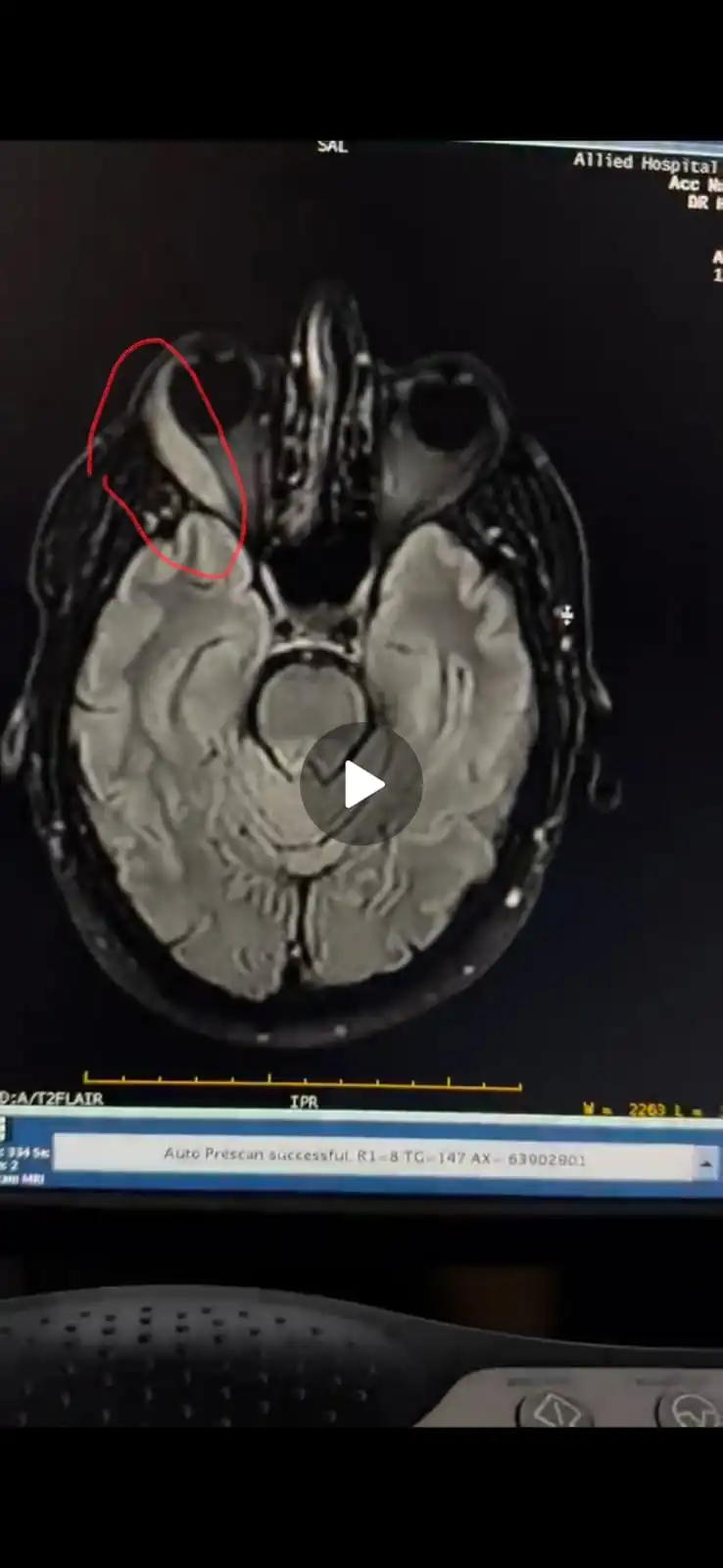
A persistent red eye is not always simple conjunctivitis. In this case, a recurring red eye turned out to be a rare ocular adnexal MALT lymphoma, a reminder to look deeper when redness doesn’t resolve as expected.
Read More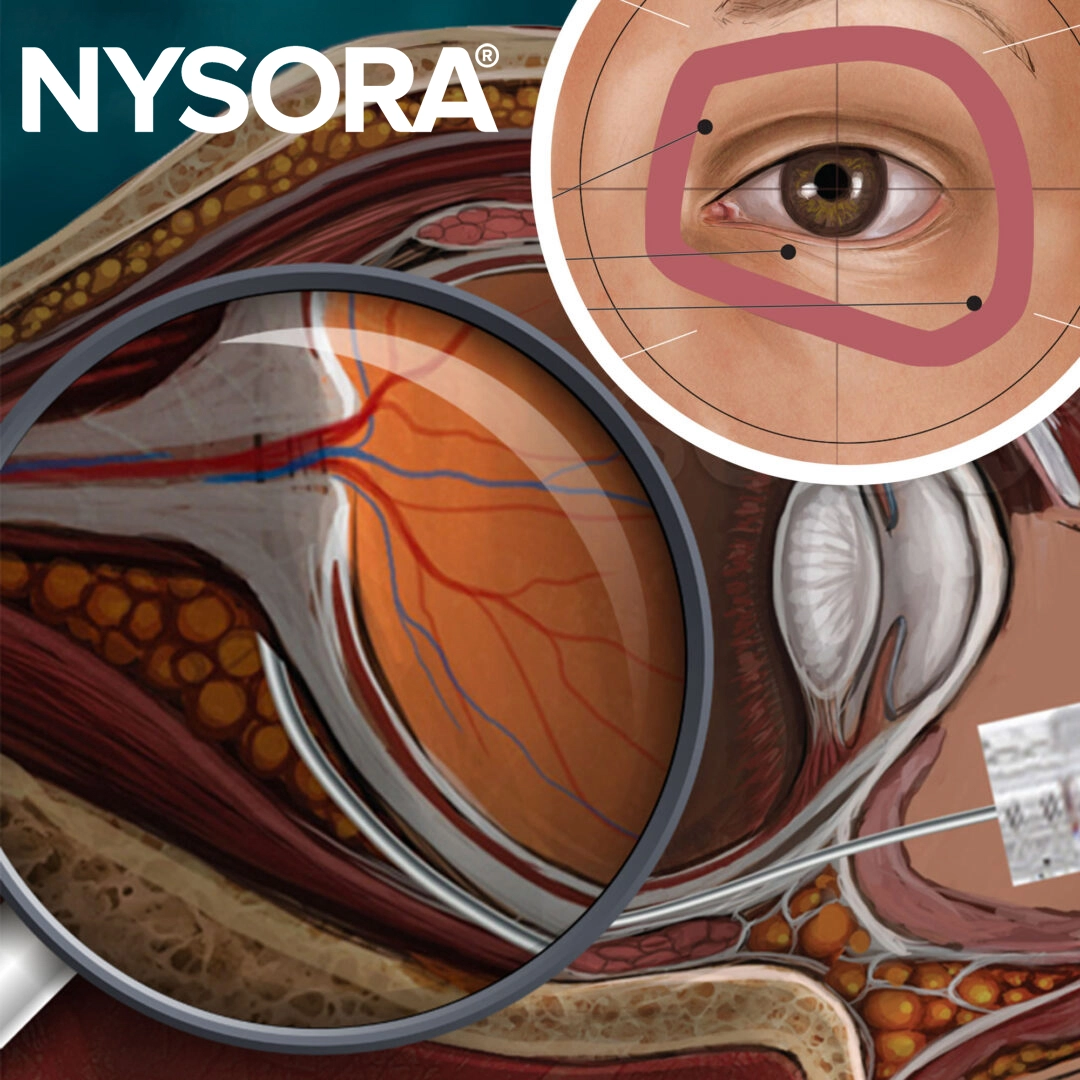
Choosing the right volume of anaesthetic for a peribulbar block affects both patient comfort and surgical safety. Here we compare 4 mL and 7 mL volumes and what each means during cataract and other eye surgery.
Read More
Oculocutaneous albinism is a genetic condition in which the body produces little or no melanin, the pigment that gives colour to the skin, hair, and eyes.
Read More
The human visual system is designed so that both eyes move together as a perfectly coordinated pair. These synchronized movements, known as conjugate eye movements, allow us to maintain single, comfortable binocular vision.
Read More
An elderly patient presenting with a temporal headache and ocular symptoms should always prompt careful evaluation for serious underlying causes, including giant cell arteritis (GCA).
Read More
Squint (strabismus) surgery is far more than simply moving an eye muscle. The success of surgery depends on one critical factor: accurate measurement of the eye deviation before the operation.
Read More
Eye misalignment (strabismus or tropia) in childhood should always be investigated thoroughly, especially when it is associated with a drooping eyelid (ptosis).
Read More
Ocular albinism (OA) is typically a “quiet” condition involving the retina and iris pigmentation. But what happens when an incidental orbital mass appears on imaging?
Read More
Refractive surgery is not a “one-size-fits-all” procedure. One of the most important factors that determines which type of surgery is safest and most effective is the thickness of the cornea.
Read More
At 48 weeks post-op, the bleb shows active aqueous flow at the upper edge, along with areas of flattening that raise concern for early encapsulation.
Read More
Many patients expect permanently clear vision immediately after glaucoma or cataract surgery, but recovery is often gradual.
Read More
A posterior, low-lying diffuse bleb remains a key target, as emphasized by BPOS, for long-term success in glaucoma surgery.
Read More
Trabeculectomy doesn’t end in the operating room. In many ways, that’s where the real work begins. One of the most discussed aspects of post-operative care is suture manipulation. Even among experienced surgeons, there’s no universal agreement on the ideal timing.
Read More
In busy clinical settings, it’s often the smallest details that carry the biggest consequences. A recent study has reinforced something many eye care professionals already knew in part, but adds an important update that shouldn’t be overlooked.
Read More
Children with cerebral palsy often experience differences in how their vision develops. This is not always about the eyes themselves, but more about how the brain processes what the eyes see.
Read More
ARS sits within the spectrum of anterior segment dysgenesis, where the structures formed during embryologic development of the eye do not mature normally.
Read More
Many people are fascinated by the idea of changing their eye color permanently. While colored contact lenses are widely used, they are temporary and need regular maintenance. But what about a lasting change?
Read More
Juvenile glaucoma is a challenging condition, not only because of the disease itself but also because it often comes with associated ocular issues. In these cases, the anterior chamber angle is frequently compromised, sometimes due to angle dysgenesis, high myopia, family history, steroid response, or uveitis.
Read More
Infantile hemangiomas, often called “strawberry marks,” are benign vascular tumors seen in up to ~4-10% of newborns. They usually appear in the first weeks of life and grow for several months before slowly shrinking on their own. Most are harmless, but when they occur near the eye or forehead, extra care is needed because of the potential for ocular complications, including secondary glaucoma.
Read More
Cataract surgery is usually described as a simple, quick, and safe procedure. And most of the time, it is. But “simple” does not mean “no preparation,” especially for patients with metabolic or medical conditions.
Read More
Glaucoma management has changed significantly over the last decade, especially with the introduction of Minimally Invasive Glaucoma Surgery, commonly known as MIGS.
Read More
A recent innovation being discussed widely in ophthalmology circles across the world is the use of intravitreal HPMC in selected cases of hypotony.
Read More
We live in a time where information is everywhere. With a few clicks, a patient can read guidelines, watch expert videos, join forums, and even predict possible outcomes of their illness. On the surface, this should lead to better decisions and earlier treatment.
Read More
We live in a time where information is everywhere. With a few clicks, a patient can read guidelines, watch expert videos, join forums, and even predict possible outcomes of their illness. On the surface, this should lead to better decisions and earlier treatment.
Read More
On the same day, two children visited me. They were very different in age and presentation, yet their conditions overlapped in an interesting and important way.
Read More
Managing intravitreal injections in an eye filled with silicone oil is one of the most challenging situations in retina practice.
Read More
Trabeculectomy with Mitomycin C is still one of the most effective glaucoma surgeries we have. The results are strong, the science is solid, and decades of data back it. Yet in the United States the number of trabeculectomies being performed has dropped. Studies such as those by Mataki and Caprioli show a slide from 48 to 32 procedures over comparable periods.
Read More
I post short videos every day on social media about different eye conditions. Because of these videos, many people reach out with questions about problems that are either congenital, like retinitis pigmentosa or amblyopia, or acquired, like choroidal neovascular membranes, old retinal detachments, or treated retinal detachments.
Read More
In ophthalmology, timely review and close monitoring can be the difference between recovery and irreversible vision loss. Some conditions demand daily follow-up to track progress, adjust treatment, and catch complications early. Here are key scenarios where daily monitoring is not just helpful, it’s essential.
Read More
As October and November arrive, the air begins to cool, and so does the rise of an unwelcome guest: smog. This thick, hazy mix of smoke and fog settles over our cities, turning the sky grey and our health vulnerable. While most people worry about breathing problems, few realize how harshly smog affects the eyes.
Read More
It’s not uncommon for parents to notice that their child seems to be looking in a slightly different direction, one eye straight, the other drifting outward or inward. The first reaction is usually worry, and often, parents try to recall a cause.
Read More
When an older person asks, “Do I have a cataract?”, it’s almost certain they don’t. That very question usually means they’re seeing just fine. A person who truly has a cataract doesn’t ask, they tell you. They’ll say their vision is blurred, hazy, or not as sharp as before.
Read More
One of the pressing challenges in our region is the scarcity of Avastin (bevacizumab), a cost-effective anti-VEGF agent that has transformed the management of diabetic retinopathy and diabetic macular edema (DME) worldwide. Its limited availability has forced both physicians and patients to rethink how this disease is managed.
Read More
Rising Concerns with Refractive Surgery. Procedures like LASIK, FEMTO-LASIK, and SMILE are becoming more common, and so are patient complaints. Problems such as blurred vision, one eye healing differently from the other, or persistent blur in both eyes are being reported with increasing frequency.
Read More
Semaglutide, a GLP-1 receptor agonist, has gained global attention in recent years under brand names like Ozempic, Rybelsus, and Wegovy. These medicines are widely prescribed for type 2 diabetes and, increasingly, for weight management. While the benefits of semaglutide are well-documented, new safety updates remind us that even effective medicines can carry rare side effects.
Read More
For many of us, getting older means accumulating wisdom, precious memories, and unfortunately, a few more health challenges. Take Sarwary, a vibrant 70-year-old. She manages her diabetes, hypertension, and a heart condition with diligence. Lately, though, she’s been complaining of blurry vision. “It’s just my age,” she’ll say, “and I can still read without my glasses if I hold things close enough.” A common refrain, and one that often signals a developing cataract.
Read More
My uncle had retina surgery in the right eye due to uncontrolled diabetes, and his vision in this eye is still not good. He has consulted different clinics about whether his vision can be improved in the right eye with glasses, and some have even labelled him a patient of glaucoma. His labs show his HbA1c is 12. What should he do to save his eyesight?
Read More
In eye surgery, especially in complex cases, speed is rarely your friend. Recently, we met a 39-year-old patient diagnosed with high hypermetropia (~+7 diopters) in the right eye, along with a small amount of astigmatism. Her eye anatomy is on the smaller side, which makes any intraocular surgery technically more challenging…
Read More
A young patient visited us from Jhang, concerned that her newly prescribed glasses were “wrong.” She had previously avoided wearing glasses and only recently decided to give them a try. This situation is very common, as the brain needs time to adjust to a new, sharper image. It’s a partnership between the eyes and the brain…
Read More📍 Ismail Eye Surgery
13-B Saeed Colony No.1, Imtiaz Shaheed Road, Canal Expressway, Faisalabad
📞 WhatsApp: +92-321-7825861